Folklore · Lake Fundudzi, in the Soutpansberg, Limpopo, South Africa · Old tradition, in print by 1931
Lake Fundudzi
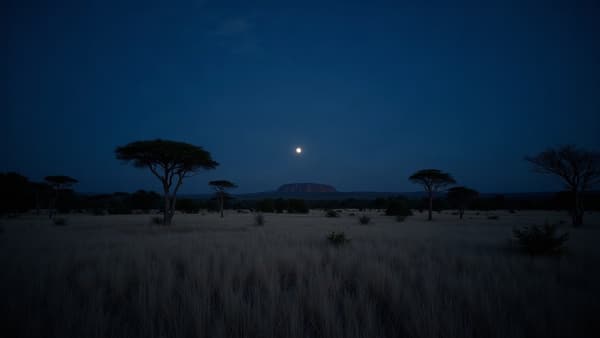
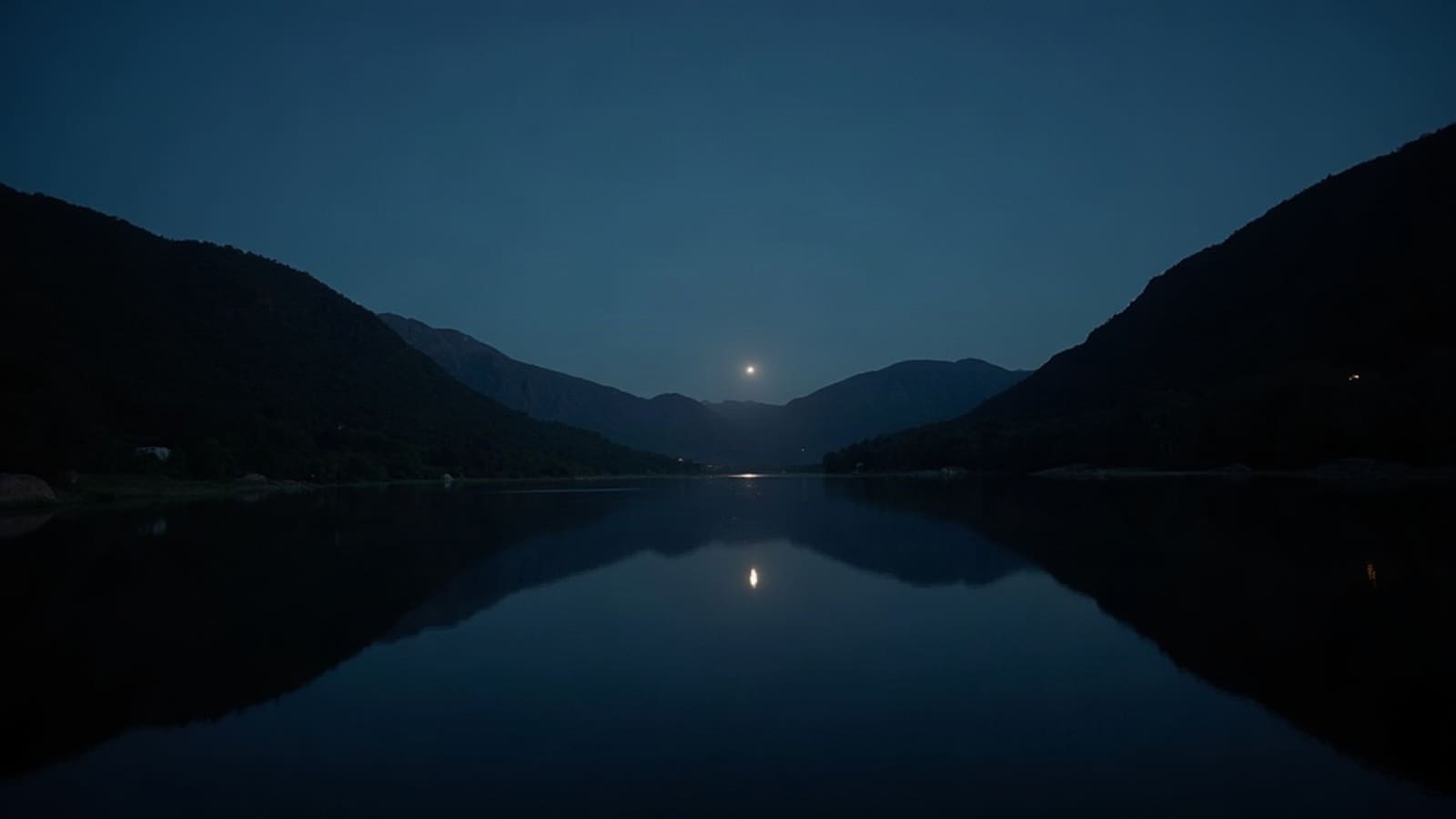
You come over the ridge from Thathe Vondo and the lake is suddenly below you, five kilometres of still brown water in a fold of the Soutpansberg with no road down to it. Your guide stops you here. You turn your back on the water, bend over, and look at the lake upside down between your own legs. This is the ukodola, the greeting. You do not go further until it is done.
Fundudzi is the only natural inland lake in South Africa. The geologists say a landslide dammed the Mutale River a very long time ago, and the water has sat behind the rubble ever since, 27 metres deep. The Venda people who live around it, and in particular the Vhatavhatsindi, the people of the pool, whose chiefs are its custodians, tell it another way. A leper came through the valley and asked at a village for food and a place to sleep, and was turned away. He cursed the village, and the water rose and took it, houses, cattle and all. The village is still down there. In the early morning, people who have made the offerings say, you can hear drums coming up through the rocks, and the lowing of the drowned herds.
The lake has a keeper. A great python, white in most tellings, lives in the mountain above it and is the god of fertility for the whole district. Once a year the young women of the area dance the domba for it, a long swaying line of girls holding one another, moving as a snake moves, to drums, and no woman is considered ready to marry until she has danced it. There is a guardian crocodile too, white like the python, and the old story is that when a chief died his remains went into the lake and the crocodile brought up a stone for his successor to swallow. Ordinary crocodiles live in the lake too, and nobody in living memory has been taken by one, which the people of the pool regard as evidence.
The rules follow from all this. Only the custodian clan makes offerings, and it is their women, the makhadzi, who speak to the ancestors, with finger millet and beer poured at the water’s edge. Nobody fishes the lake for sport. Nobody puts a boat on it. The colour and level of the water are read for the mood of the ancestors and the prospects for rain. Outsiders may come, with the chief’s permission, and are asked to behave as guests.
Two things the lake has been asked to carry lately are not its own. One is a story that went round the internet about a professor who took water samples in 1955 and died a week later after the water vanished from its bottles overnight. There was no such professor, and the lake’s water is ordinary water; the fact-checkers have been through it. The other is tourism. A 2017 study by two University of Venda researchers asked why a lake with a python god, a white crocodile and a drowned village had no lodge, no craft market and no signposts, and concluded that the people who own it do not want them, and are entitled.
The anthropologist Hugh Stayt set the python and the lake down in print in 1931, which is why this entry sits at that year. The tradition is a great deal older than that, and it is still running.