Folklore · Andranoro, on the Mamba river at Antehiroka, north-west of Antananarivo, Madagascar · Old tradition, in print by 1873
The people who were here first
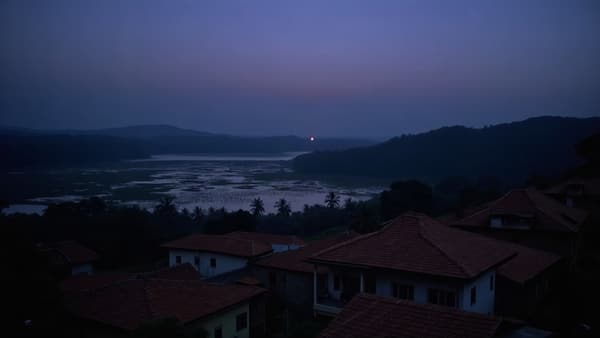
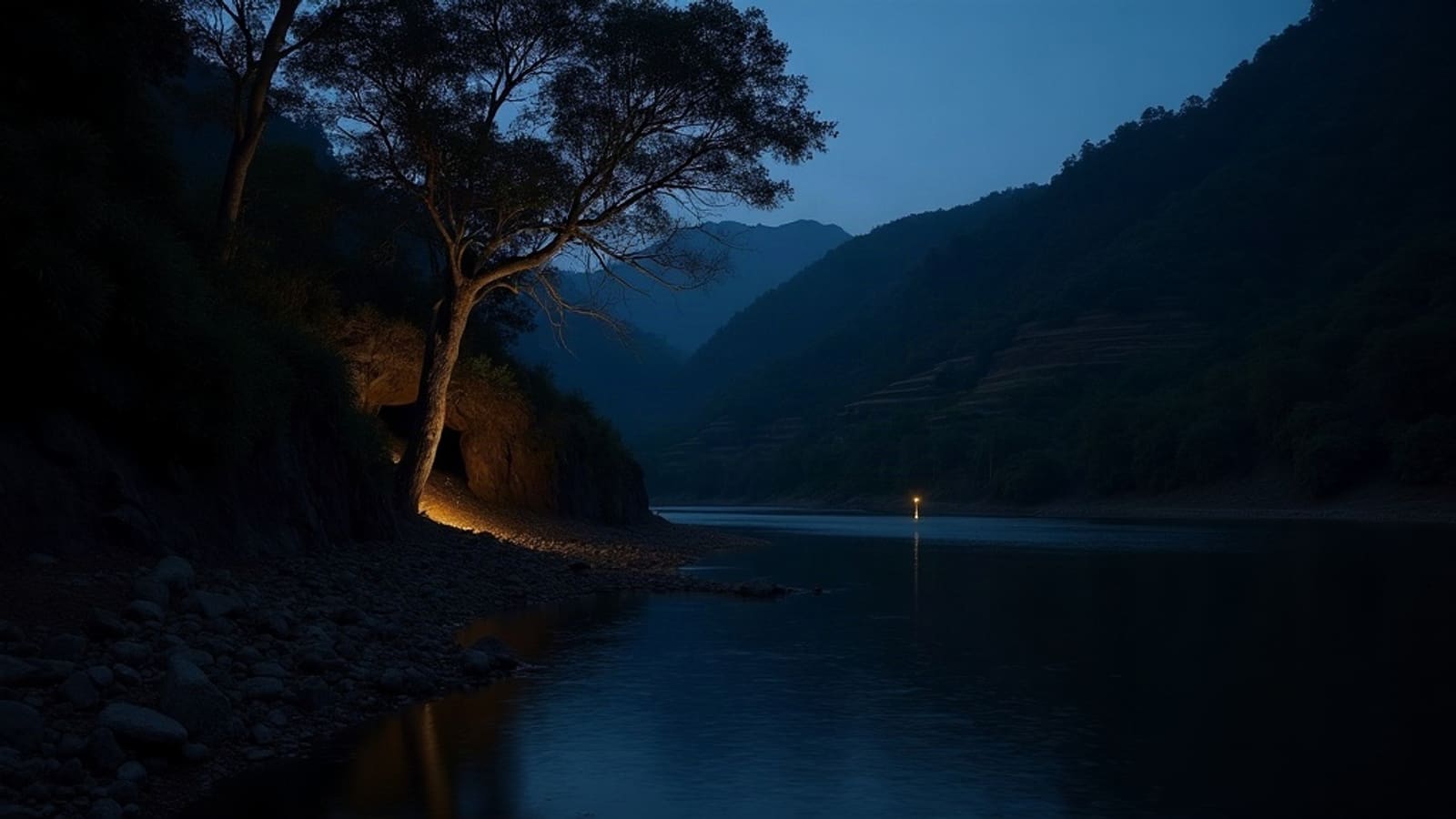
There is a whitewashed gateway on the bank of the Mamba river at Antehiroka, a short drive north-west of Antananarivo, and you take your shoes off to go through it. Beyond it are old trees, a swept yard, a small natural grotto with a shrine inside, and the water. People bring tobacco and alcohol. Nobody says the word salt, let alone brings it.
The place is called Andranoro, the place of Ranoro, and Ranoro was a Vazimba.
In Malagasy tradition the Vazimba were the people who were here first. The Merina, who built the kingdom of the highlands, tell that when their ancestors arrived they found the hills already occupied by a small people who cleared the forest with fire, grew bananas and tubers, and were ruled, more often than not, by queens. Much of this is in the Tantara ny Andriana, the Merina oral histories a priest, François Callet, began printing in 1873. The stories make them short; one of the last Vazimba queens of Alasora was called Rafohy, which simply means the Short One. Popular telling has since made them stranger, with long faces and teeth, but the older accounts describe neighbours, not monsters. Historians still argue whether they were a separate people at all or a displaced ruling class.
Two things everyone agrees on. They did not bury their dead in the earth: a Vazimba was put into a canoe-shaped coffin and sunk in a marsh or a lake, which is why so many of their tombs are water. And they went into the landscape when they left it. A Vazimba spring, a Vazimba rock, a Vazimba gorge is a place where something is still present and can be offended. The rules are consistent across the highlands: no pork, no garlic, and above all no salt anywhere near them.
Ranoro explains the salt. She was a daughter of the water, the tradition says, child of Andriantsira, the Lord of Salt, and she was sitting on a rock in the Mamba when a young man called Andriambodilova saw her. He sang to her until she let him catch her by her long hair, and she agreed to be his wife on one condition: he must never say the word sira, salt, because that name belonged to her father. They lived at Ambohimanarina for years, under King Andrianjaka, and had children. Then one day she tied a calf badly, and in his temper he called her a daughter of salt. She ran to the cave on the river, the story says, and went into the water and did not come out.
Her descendants are the Antehiroka, granted privileges when Andrianjaka made peace with the Vazimba lords rather than fight them, most of them stripped away in the nineteenth century. Her husband’s tomb stands on the hill of Anosisoa and is still a place of cult. The Merina court turned Christian in 1869 and burned the royal idols, which did not stop the pilgrims. At Ambohimanga, the most important of the twelve sacred hills of Imerina, at least four Vazimba lie in tombs that draw their own pilgrims.
The guardian at Andranoro, a woman named Razaiarisoa, told one reporter she was chosen for the job by Ranoro’s spirit some thirty years earlier, and that she screens the intentions of people at the gate. Those who come respectfully, the tradition holds, may be visited by Ranoro in a dream and get what they asked for. What happens to those who bring salt is not written down anywhere we have found, and nobody at the gate seems inclined to test it.