Folklore · Gokwe, in the Midlands, and Osborne Dam near Mutare, Zimbabwe · 2012-01-31
The mermaids of Gokwe
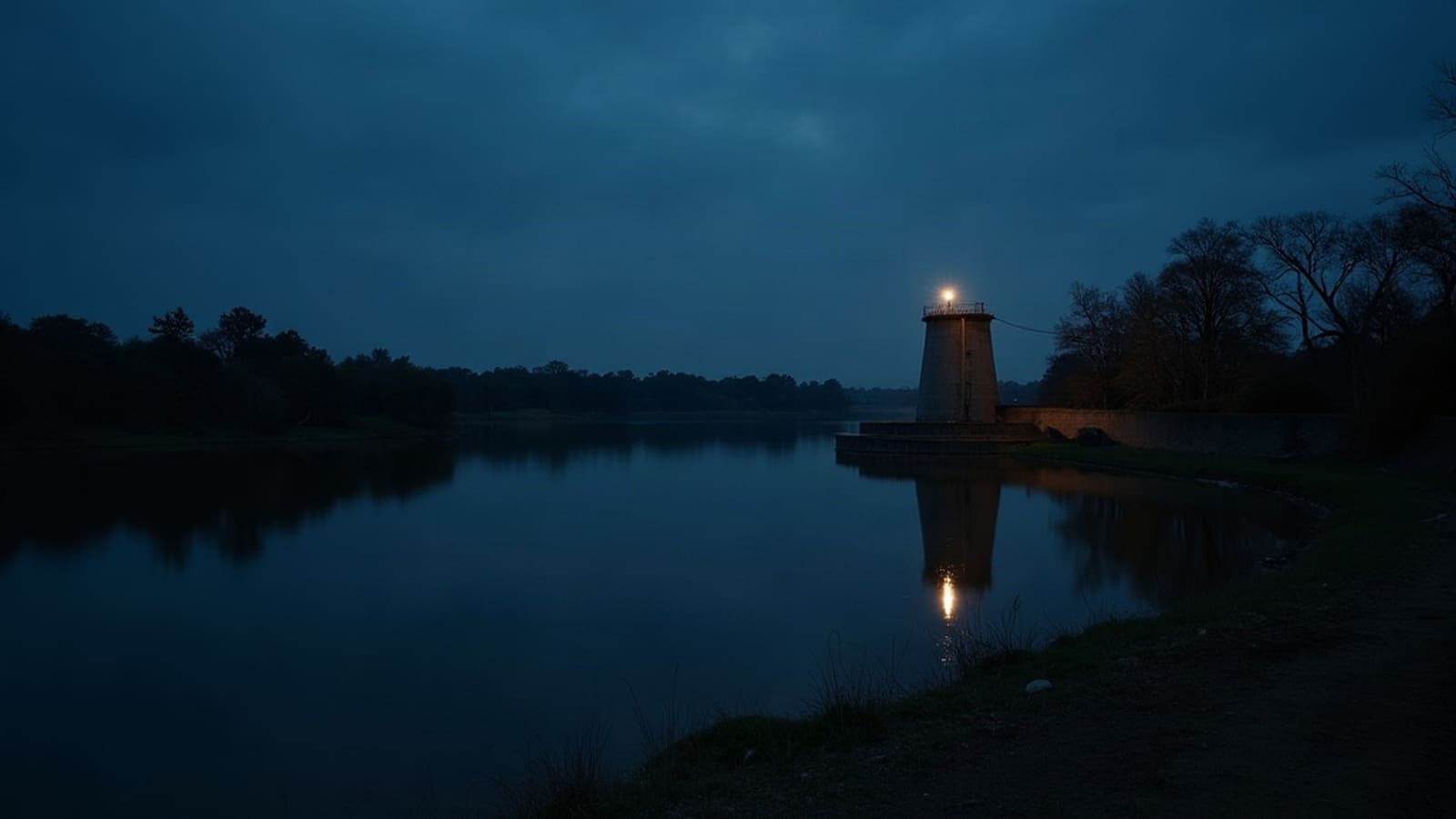
The pumps went in at the Gokwe reservoir in the evening and were found broken in the morning. There were no footprints, no cut fence, nothing missing. The crew put them right. The next morning they were broken again. After a few rounds of this the fitters packed up and told the ministry that they would not be going back to Gokwe, and when pressed for a reason they gave one: there were mermaids in the water, and the mermaids did not want them there.
That much, and a good deal more, was put on the parliamentary record on 31 January 2012 by Samuel Sipepa Nkomo, the Minister of Water Resources, when he appeared before a Senate committee to explain why two water projects were behind schedule. The second was at Osborne Dam in Manicaland, east of the country near Mutare, where the intake pumps kept blocking. Divers were sent down to find out why. They came up and refused to go back. The ministry, assuming the local crew simply did not fancy the work, hired a team of white divers from outside the district. They went down too, and came up with the same answer. “We even hired whites,” the minister told the senators, “thinking that our boys did not want to work, but they also returned saying they would not return to work there again.”
The committee, The Herald reported, found this very funny. The minister did not. He said plainly that he did not himself believe in mermaids, but that the communities around the dams did, and so did his own officers, and that the practical course was to do what the communities said needed doing: bring in the chiefs and the spirit mediums, brew the traditional beer, and make the proper approach to whoever was in the water. The Minister of Local Government, sitting beside him, agreed.
The beings in question are njuzu, the water spirits of Shona tradition, usually pictured as half human and half fish and living in deep pools, dams and river bends. They are not ornamental. A njuzu can pull a person under and keep them for months or years, and the rule for the family is a hard one: nobody may cry or mourn, because the person is not dead, only away, and grief will kill them. Those who come back come back as healers, having learned things underwater that cannot be learned anywhere else. A njuzu whose pool is disturbed by strangers, or by machinery, will make its displeasure known, and it is not surprising that a fitter from a district where everyone knows this would rather lose a job than a colleague.
By the middle of February the papers were reporting that the Gokwe problem was solved. Traditional leaders had held a ceremony at the reservoir, cattle had been slaughtered, beer had been brewed and poured, and the pumps were running. Whether anyone had also checked the bearings is not recorded.
The story went round the world as a joke about Africa, which is the lazy reading. What actually happened is that a government engineer’s department stopped, listened to the people who lived beside the water, did as they asked, and got its pumps back. There are worse ways to run a water authority.